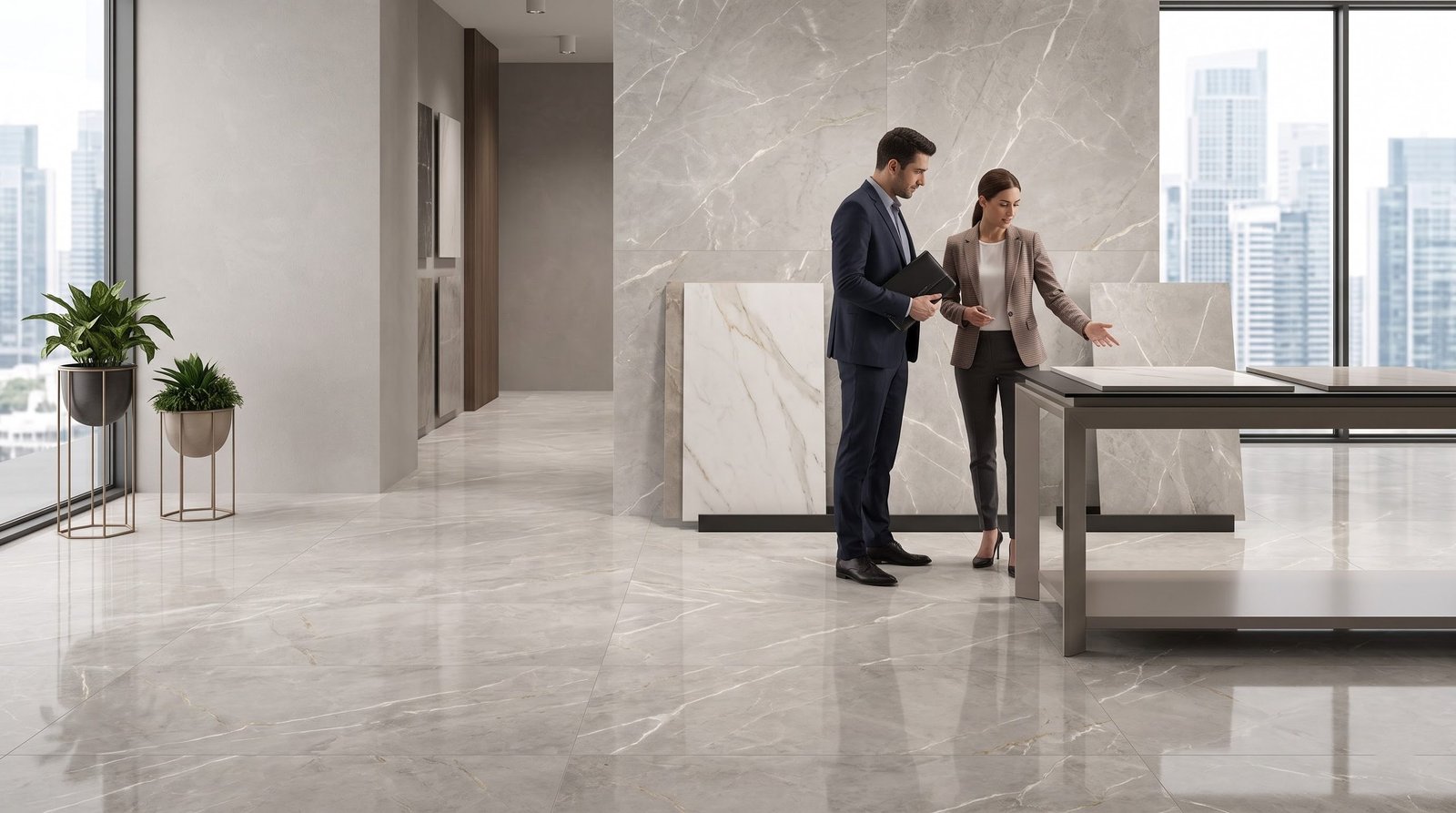


How to Choose Tiles for Commercial Buildings

Choose Tiles for Commercial Buildings

The right commercial tiles should therefore be selected according to how each space will be used rather than choosing one tile for the entire building.

Vitrified, glazed vitrified, porcelain, floor, and wall tiles can serve different purposes when their characteristics are matched to the application. For architects, interior designers, developers, contractors, and commercial buyers, understanding these factors can make tile selection more practical and informed.

What Should You Consider When Choosing Tiles for a Commercial Building?

The main factors to consider are foot traffic, application, durability, water exposure, slip resistance, surface finish, maintenance, and design requirements.

Before selecting a tile, evaluate how the space will be used and what conditions the surface will experience.

Foot Traffic

Foot traffic is an important consideration for commercial flooring. Entrances, corridors, reception areas, retail spaces, and other shared areas can experience frequent movement throughout the day.

The expected traffic should influence the evaluation of:

  • Wear resistance
  • Surface characteristics
  • Strength
  • Maintenance requirements
  • Slip resistance

Not every commercial space has the same traffic level. A private office, reception area, service room, and public corridor can have significantly different requirements.

Floor or Wall Application

Floor and wall applications have different functional requirements.

Flooring needs to be evaluated for underfoot use, traffic, wear, and safety. Wall tiles are generally selected with greater emphasis on appearance, cleaning, moisture exposure, and installation conditions.

Entrances, bathrooms, kitchens, corridors, decorative walls, and other areas should therefore be assessed separately.

Maintenance Requirements

Commercial spaces are regularly exposed to dust, spills, stains, footwear, and cleaning activities. The tile’s surface and finish should be appropriate for the property’s maintenance routine.

Choosing a practical surface can make regular cleaning easier while helping maintain the intended appearance of the space.

Technical Specifications

Appearance should always be considered alongside product information. Depending on the application, buyers should review characteristics such as:

  • Wear resistance
  • Water absorption
  • Strength
  • Slip resistance
  • Surface finish
  • Recommended application
  • Cleaning and maintenance requirements

The appropriate specifications will vary according to the location and intended use.

Which Types of Tiles Are Suitable for Commercial Buildings?

There is no single tile type that is universally best for every commercial building. The right choice depends on the application’s performance requirements and design objectives.

Glazed Vitrified Tiles

Glazed vitrified tiles combine a vitrified tile body with a designed surface, providing extensive options in colours, patterns, textures, and finishes.

Creanza’s GVT collections are positioned for both residential and commercial interiors, combining durability, aesthetics, and design versatility.

They can be considered for offices, showrooms, commercial interiors, and other spaces where design flexibility is important.

Porcelain Tiles

Porcelain tiles provide another option for commercial environments where strength, durability, low water absorption, and application suitability are important considerations.

Creanza’s porcelain range includes digital glazed, polished, and full-body finishes, with the company positioning its porcelain products for commercial and architectural applications, including high-traffic environments.

Floor Tiles

Commercial floor tiles need to be evaluated according to traffic, surface characteristics, maintenance, and safety requirements.

Creanza’s floor tile portfolio includes glazed vitrified and porcelain options with different contemporary finishes and designs for residential and commercial environments.

Wall Tiles

Wall tiles can contribute significantly to the visual identity of a commercial interior. They can be selected according to the desired colour, texture, pattern, finish, moisture exposure, and maintenance requirements.

Creanza’s wall tile portfolio includes vitrified, glazed vitrified, porcelain, and designer options for commercial and interior applications.

How Should You Choose Tiles for Different Areas of a Commercial Building?

The tile should be selected according to the specific function of each area rather than applying the same specification throughout the building.

Reception and Entrance Areas

Reception areas create an important first impression and often combine visual impact with regular movement.

Consider:

  • Foot traffic
  • Surface finish
  • Cleaning requirements
  • Lighting
  • Overall design concept
  • Durability requirements

Large-format tiles can also be considered where the design calls for visual continuity and fewer visible joints. Creanza’s catalogue includes large formats such as 1200 × 1800 mm and 800 × 1600 mm.

Corridors and Common Areas

Corridors and shared spaces typically experience repeated movement and regular cleaning.

The selected flooring should therefore be evaluated for expected wear, maintenance, safety, surface characteristics, and the overall design language of the building.

Offices and Workspaces

Office environments may require a balance between professional aesthetics and everyday practicality.

Neutral surfaces, contemporary patterns, natural textures, and understated finishes can help create a cohesive workplace environment while meeting the functional requirements of the space.

Restaurants and Service Areas

Commercial areas exposed to spills and frequent cleaning require careful consideration of surface characteristics, maintenance, moisture exposure, and safety.

The selected finish should be appropriate for the conditions in which the tile will be installed.

Restrooms and Utility Areas

Restrooms require particular attention to moisture and cleaning.

For floors, buyers should review slip-resistance information and wet-area suitability. Wall tiles can be evaluated based on moisture exposure, cleaning, surface characteristics, and design.

How Does Tile Finish Affect Commercial Interiors?

Tile finish influences both the appearance and practical character of a commercial space, so it should be selected according to lighting, application, maintenance, safety, and design requirements.

Glossy or polished surfaces can reflect more light and create a sophisticated appearance, making them suitable for selected interiors, walls, feature areas, and spaces where visual brightness is desired.

Matt, rustic, structured, and other textured surfaces can create a softer or more natural appearance and may be considered for applications where a lower-reflection surface is preferred.

Creanza’s current portfolio includes multiple surface expressions, including glossy, polished, rustic, structured, carving, and anti-reflective finishes, giving commercial projects flexibility in both visual and functional selection.

The finish should ultimately be matched with the specific conditions of the space rather than selected only for appearance.

How Does Creanza Support Commercial Tile Projects?

Creanza offers a broad tile portfolio for commercial and architectural applications, including GVT, PGVT, porcelain, floor, and wall tiles.

Creanza is an Indian tile manufacturer and tiles exporter from india, operating from Morbi, Gujarat, with a product portfolio developed around contemporary architecture and interior design.

Its Global Export portfolio includes:

  • Glazed Vitrified Tiles (GVT)
  • Polished Glazed Vitrified Tiles (PGVT)
  • Digital Glazed Vitrified Tiles
  • Porcelain Tiles
  • Floor Tiles
  • Wall Tiles

Creanza’s export operations serve importers, distributors, wholesalers, retailers, and project developers across international markets. Its Global Export page specifically positions its products for residential and commercial projects and highlights consistent quality, contemporary designs, reliable supply capabilities, and export support. 

This makes product selection more than a design decision. For commercial projects, buyers can evaluate Creanza’s collections according to the project’s application, required format, surface, design direction, and performance requirements.

Conclusion

Choosing tiles for a commercial building requires more than selecting a visually appealing product. Traffic, application, durability, safety, maintenance, surface finish, format, and design should all be considered together.

Rather than choosing one universal tile for an entire building, architects, designers, developers, and buyers should evaluate each space according to its specific functional and visual requirements.

Creanza offers GVT, PGVT, digital glazed vitrified, porcelain, floor, and wall tile collections with contemporary designs, multiple surface options, and formats for different commercial and architectural applications. With its manufacturing base in Morbi, Gujarat, and international export capabilities, Creanza supports importers, distributors, wholesalers, retailers, and project buyers looking for tile solutions from India.

By matching the right tile characteristics to each commercial application, project teams can create spaces that balance performance, practicality, safety, and visual identity.

Frequently Asked Questions

What are the best tiles for commercial buildings?

The best tiles depend on the specific application. Consider traffic, wear resistance, strength, water absorption, slip resistance, surface finish, maintenance, and design before selecting a product.

Are vitrified tiles suitable for commercial buildings?

Yes. Vitrified tiles can be suitable for many commercial applications when the selected product’s characteristics match the requirements of the intended space.

Which tiles are suitable for commercial flooring?

GVT, porcelain, and other suitable floor tile options can be considered for commercial flooring, depending on traffic, wear, safety, maintenance, and application requirements.

Are porcelain tiles suitable for high-traffic commercial areas?

Porcelain tiles can be suitable for high-traffic commercial applications when the specific product is appropriately specified. Creanza positions its porcelain range for architectural and high-traffic applications. 

What should I consider when choosing commercial floor tiles?

Consider traffic, wear resistance, strength, water absorption, slip resistance, surface finish, cleaning requirements, installation conditions, and overall design.

Can the same tiles be used for commercial floors and walls?

Some tiles may be suitable for both applications, depending on their specifications. However, floor and wall applications have different functional requirements, so always confirm the manufacturer’s recommended use.

Does Creanza offer tiles for commercial projects?

Yes. Creanza offers GVT, PGVT, digital glazed vitrified, porcelain, floor, and wall tiles for residential and commercial applications. Its porcelain range is also positioned for architectural and high-traffic applications.
Share This Article On :

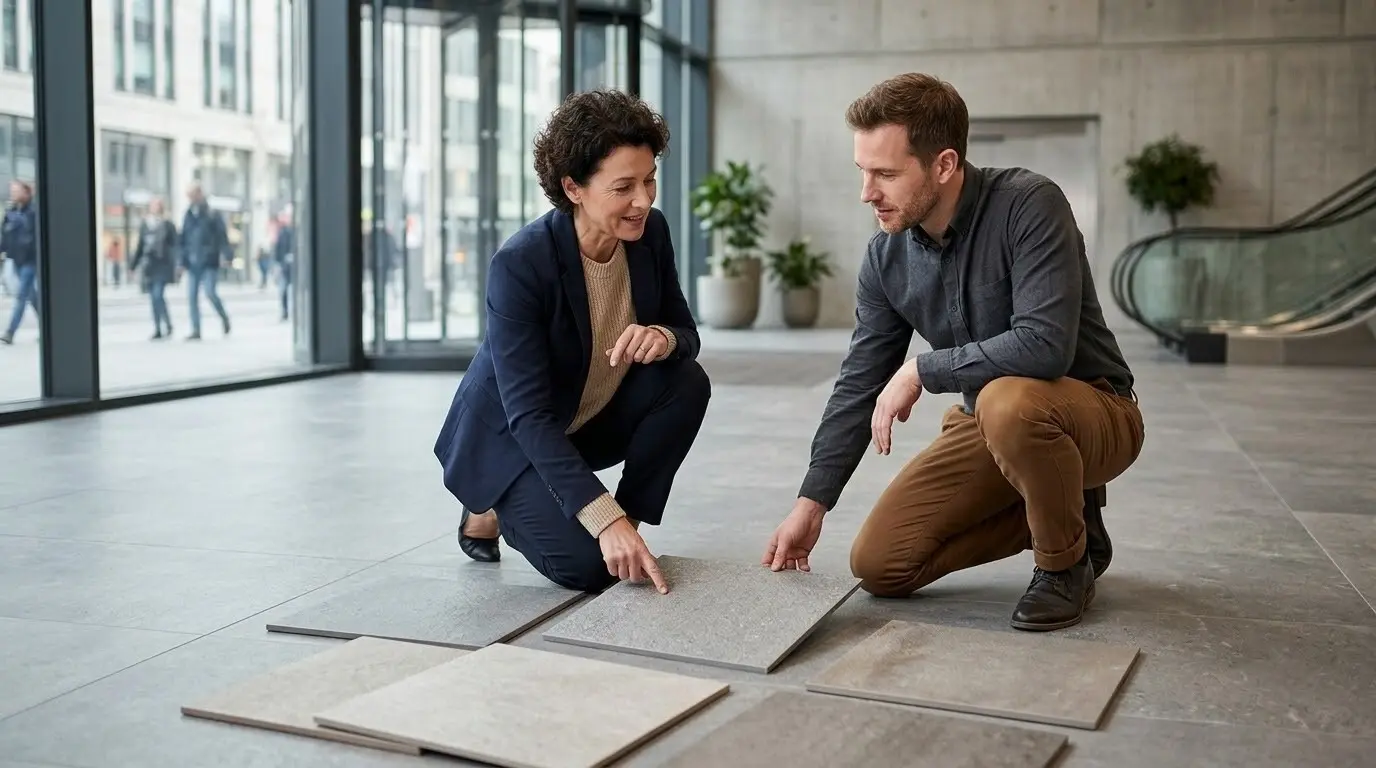
Choosing Durable Vitrified Tiles for High-Traffic Areas

Vitrified Tiles for High-Traffic Areas

For retail stores, hotels, offices, restaurants, corridors, lobbies, and busy residential areas, evaluating wear resistance, strength, slip resistance, surface finish, maintenance, and overall application suitability can help ensure a more appropriate flooring choice.

What Makes a Tile Suitable for High-Traffic Areas?

A high-traffic floor is exposed to repeated foot movement, dirt, cleaning, furniture movement, and, in some commercial environments, equipment or trolleys. The flooring therefore needs to match the demands of the space rather than being selected only for its appearance.

When choosing tiles for high-traffic areas, consider:

  • Surface and wear resistance
  • Strength and expected load
  • Water absorption
  • Slip resistance
  • Surface finish
  • Cleaning and maintenance requirements
  • Application and traffic intensity

The requirements can vary considerably between a hotel lobby, retail store, office corridor, restaurant, and residential kitchen. There is no single tile specification that is automatically ideal for every high-traffic application.

Why are Vitrified Tiles Considered for Busy Spaces?

Vitrified tiles are considered for high-use flooring because their dense structure, low water absorption, durability, and design versatility can support a range of residential and commercial applications.

Dense Structure and Low Water Absorption

Vitrified tiles have a dense tile body with low water absorption, making them suitable for applications where regular cleaning and occasional moisture exposure are expected. These characteristics can also help tiles meet relevant quality standards, depending on the specific product specifications and applicable requirements.

However, buyers should review the technical specifications of the individual product and match them with the intended application rather than assuming all vitrified tiles have identical performance.

Durability for Everyday Use

Busy spaces experience repeated foot traffic and routine cleaning. A suitably specified vitrified tile can provide a durable surface for these conditions.

The important consideration is to select the product according to the expected traffic level and application, particularly for commercial environments.

Design Versatility

Performance is not the only consideration for modern flooring. Vitrified tiles are available in a wide variety of colours, patterns, textures, and finishes, allowing designers to combine practical flooring requirements with the visual character of the space.

Creanza’s current collections include surfaces such as glossy, carving, rustic, anti-reflective, and structured finishes, as well as large-format options.

What Factors Should You Check When Choosing Vitrified Tiles for High-Traffic Areas?

1. Water Absorption

Water absorption is an important characteristic when evaluating tile suitability. A denser tile body generally has lower water absorption, which can be beneficial in areas exposed to moisture and frequent cleaning.

Always review the manufacturer’s technical specifications for the specific product before making a selection.

2. Wear and Surface Resistance

The tile surface is directly exposed to foot traffic, dirt, footwear, furniture movement, and cleaning. Therefore, the expected level of use should be considered when selecting flooring tiles.

A busy retail environment, for example, may have different requirements from a residential living room.

3. Strength and Load Requirements

High-use floors may also experience concentrated loads from furniture, equipment, or trolleys. Tile strength and the expected loading conditions should therefore be considered alongside traffic levels.

The right tile is one whose technical characteristics match the demands of the application.

4. Surface Finish

Surface finish affects both appearance and everyday usability.

Glossy and polished surfaces can create a bright, sophisticated appearance, while matt, rustic, structured, or anti-reflective surfaces can provide different visual and functional characteristics.

Creanza’s collections include multiple surface treatments, giving designers options for different interior styles and applications.

5. Slip Resistance

Safety should be considered carefully in busy environments, particularly where floors may be exposed to water, spills, outdoor moisture, or frequent cleaning.

When selecting tiles for a high-traffic space, check the available slip-resistance information for the specific product and choose a surface appropriate for the installation environment.

Where Can Vitrified Tiles Be Used in High-Traffic Spaces?

Retail Stores and Shopping Areas

Retail floors experience continuous customer movement and regular cleaning. Flooring should therefore balance durability, appearance, maintenance, and application requirements.

Hotels and Hospitality Spaces

Hotel lobbies, corridors, restaurants, and other hospitality areas need surfaces that can withstand regular use while maintaining a refined appearance. The availability of different vitrified and porcelain surfaces gives designers flexibility when developing large hospitality projects.

Offices and Commercial Buildings

Reception areas, corridors, entrances, and common spaces experience repeated daily movement. Appropriately selected vitrified flooring can combine a professional appearance with practical everyday performance.

High-Use Residential Areas

Vitrified tiles can also be considered for residential spaces such as kitchens, living rooms, entrances, and passages where frequent movement and regular cleaning are expected.

For particularly demanding applications, Creanza’s porcelain tile range is positioned for architectural and high-traffic applications.
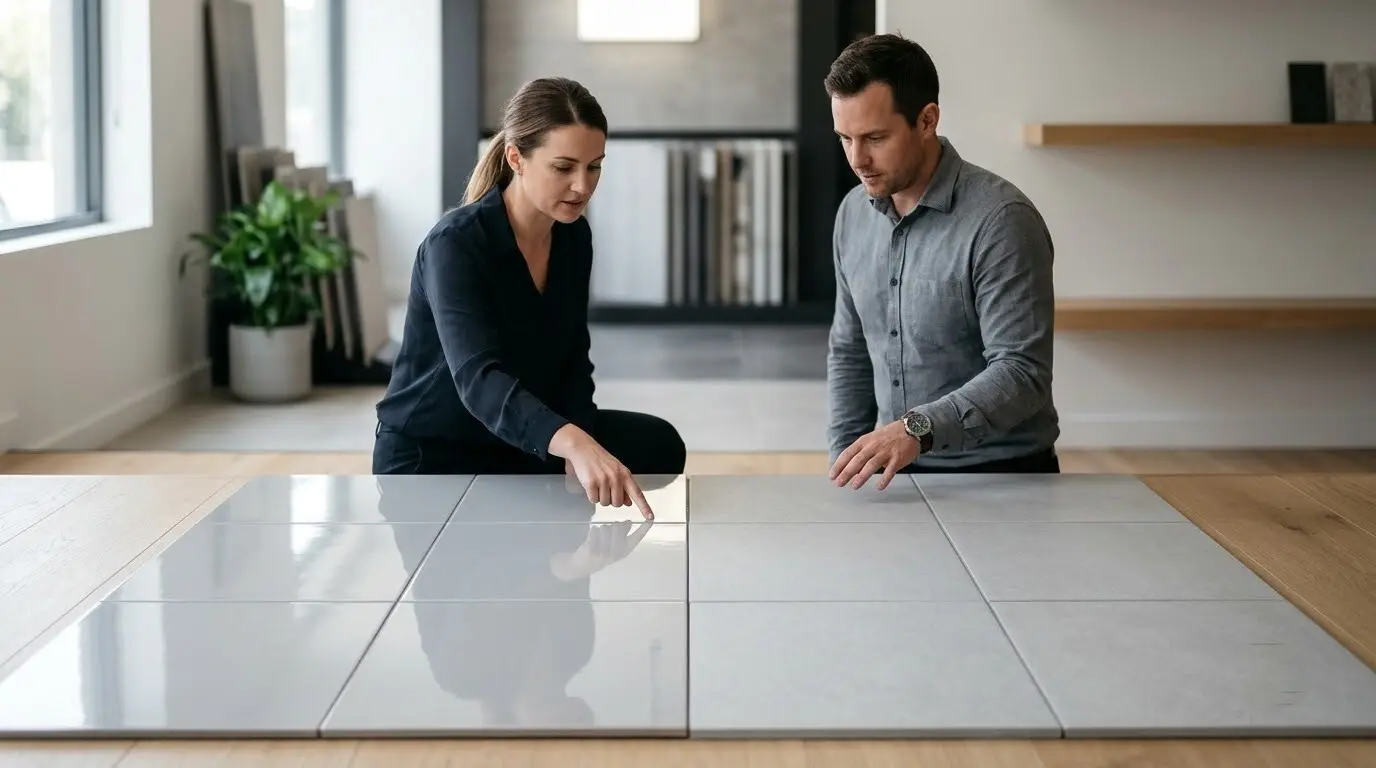
Which Surface Finish is Best for High-Traffic Flooring?

The best surface finish depends on the application’s traffic, moisture exposure, maintenance requirements, lighting, safety considerations, and desired appearance.

A polished or glossy finish can create a premium visual effect, while matt, structured, rustic, or anti-reflective surfaces can offer a different combination of aesthetics and functionality.

For moisture-prone or outdoor environments, safety and application suitability should receive greater consideration. Rather than selecting a finish solely based on appearance, evaluate how the floor will actually be used.

How Should High-Traffic Vitrified Floors Be Maintained?

Even durable flooring requires appropriate maintenance to retain its appearance and performance.

Useful practices include:

  • Remove dust and loose dirt regularly.
  • Clean spills promptly.
  • Use cleaning products suitable for the tile surface.
  • Avoid abrasive cleaning methods that may affect the finish.
  • Use suitable protection under furniture that is frequently moved.
  • Inspect busy areas periodically for damage or installation issues.

For commercial spaces, establishing a consistent cleaning routine can help maintain the appearance of the flooring over time.

How Does Creanza Support Different Tile Applications?

Creanza is an Indian tile manufacturer based in Morbi, Gujarat, with a portfolio that includes glazed vitrified tiles (GVT), polished glazed vitrified tiles (PGVT), digital glazed vitrified tiles, porcelain tiles, floor tiles, and wall tiles for domestic and international markets. For buyers sourcing export tiles from India, Creanza offers a range of tile solutions suited to different design and application requirements.

Its current portfolio includes different surface and design options, including glossy, carving, rustic, anti-reflective, and structured surfaces. Creanza also offers large-format collections such as Infinia+, available in 800 × 1600 mm and 1200 × 1800 mm formats.

For high-traffic and commercial applications, product selection should still be based on the specific tile’s technical characteristics and intended use.

Creanza’s export portfolio also includes porcelain tiles positioned for architectural and high-traffic applications, supporting international buyers looking for tile solutions for demanding projects.

Conclusion

Choosing durable vitrified tiles for a high-traffic area requires more than selecting a visually appealing product. Traffic intensity, application, water absorption, wear resistance, strength, surface finish, safety, and maintenance requirements should all be considered before making a decision.

Creanza offers a diverse portfolio of GVT, PGVT, digital glazed vitrified, porcelain, floor, and wall tiles, with a range of contemporary surfaces and formats for different residential and commercial applications. Its export operations also serve international importers, distributors, wholesalers, and project buyers across global markets.

By matching the tile’s characteristics with the demands of the space, project owners, architects, designers, and buyers can make a more informed flooring decision and achieve the right balance between durability, functionality, safety, and design.

Frequently Asked Questions

Are vitrified tiles suitable for high-traffic areas?

Yes, vitrified tiles can be suitable for many high-traffic residential and commercial applications when the specific product is selected according to the traffic level, application, and technical requirements.

Which tiles are best for high-traffic areas?

The best tile depends on the application. Buyers should evaluate durability, wear resistance, strength, water absorption, slip resistance, surface finish, and maintenance requirements before selecting a product.

Are vitrified tiles suitable for commercial spaces?

Yes. Vitrified tiles can be used in offices, retail stores, hotels, restaurants, and other commercial environments, provided the selected product is appropriate for the intended application.

Are polished or matt tiles better for high-traffic areas?

Neither finish is universally better. The appropriate choice depends on traffic, moisture exposure, safety, maintenance requirements, lighting, and the desired appearance.

How do you maintain vitrified tiles in busy areas?

Regular cleaning, prompt spill removal, suitable cleaning products, and proper furniture handling can help maintain vitrified flooring in high-use spaces.

Does Creanza offer tiles for commercial and high-traffic applications?

Yes. Creanza offers GVT, PGVT, digital glazed vitrified, porcelain, floor, and wall tiles for residential and commercial applications. Its porcelain tile range is positioned for architectural and high-traffic applications.
Share This Article On :

Glossy Tiles vs Matte Tiles: Which Finish is Right for Your Space?

Glossy vs Matte Tiles

Key Takeaways

  • Glossy tiles reflect more light and create a polished appearance.
  • Matte tiles offer a softer, natural, and understated look.
  • Glossy finishes can work well for walls, backsplashes, and feature areas.
  • Matte finishes are often considered for floors and natural-style interiors.
  • Neither finish is suitable for every application.
  • Lighting, maintenance, safety, and technical specifications should guide the final choice.

The right choice depends on the room, lighting, application, maintenance needs, safety requirements, and overall design style.

What is the Difference Between Glossy and Matte Tiles?

The main difference is the surface finish and how it reflects light.

What are Glossy Tiles?

Glossy tiles have a smooth, reflective surface. They reflect natural and artificial light, creating a bright and polished appearance. They are often used in contemporary interiors, feature walls, backsplashes, and selected bathroom applications.

Glossy surfaces can also enhance colours and patterns, making them suitable for decorative areas where visual impact is important.

What are Matte Tiles?

Matte tiles have a low-reflective surface that creates a softer appearance. They are commonly used in natural, minimalist, and contemporary interiors.

Matte finishes work well with stone, concrete, wood, and other subtle designs. They are also frequently considered for flooring because of their understated visual character.

Glossy vs Matte Tiles: Key Differences

FactorGlossy TilesMatte Tiles
AppearanceBright and reflectiveSoft and understated
Light reflectionHighLow
Visual stylePolished and elegantNatural and contemporary
Design effectEmphasises brightnessCreates a calmer look
MarksSmudges may be more visibleMarks may appear less reflective
Common usesWalls, backsplashes, feature areasFloors, natural interiors, practical spaces

Neither finish is always better. The best option depends on how the space will be used, the performance required from the tile, and selecting the right tile size to complement the overall space and design. 

Advantages of Glossy Tiles

Creates a Brighter Appearance

Glossy tiles reflect light, which can make a room appear brighter and more open. This can be useful in spaces with limited natural light or interiors designed around a luminous appearance.

Adds a Polished Look

A glossy finish can give a room a refined and sophisticated character. It works well with modern furniture, clean lines, and contemporary colour schemes.

Highlights Colours and Patterns

The reflective surface of glossy tiles can make colours and patterns appear more vibrant. This makes them suitable for feature walls, kitchen backsplashes, and decorative bathroom areas.

Adds Visual Depth

Reflections can make a surface appear more dynamic. When combined with suitable lighting, glossy tiles can add depth and interest to an interior.

Advantages of Matte Tiles

Provides a Softer Appearance

Matte tiles create less reflection, making them suitable for calm and relaxed interiors. They work well with neutral colours, simple furniture, and minimalist designs.

Complements Natural Styles

Matte finishes pair well with stone-inspired, concrete-inspired, wood-look, and textured designs. They can help create a warm and natural atmosphere.

Reduces Glare

Rooms with strong daylight or bright artificial lighting may benefit from a matte surface. Since matte tiles reflect less light, they can create a more balanced visual effect.

Works Well for Flooring

Matte tiles are often selected for living rooms, bedrooms, hallways, and other floor applications. However, finish alone should not determine whether a tile is suitable for wet or high-traffic areas. Always check the product’s slip resistance and technical specifications.

Glossy vs Matte Tiles for Different Rooms

Living Room

Both finishes can work well in living rooms. Glossy tiles suit bright, polished interiors and can reflect light across the space. Matte tiles create a softer and more natural atmosphere, especially when paired with stone or concrete designs.

Consider the room’s lighting, furniture, and desired mood before choosing. For those exploring luxury tile ideas, glossy finishes can add a refined, elegant touch to the living room. 

Kitchen

Glossy tiles are popular for backsplashes and walls because they create a clean and reflective appearance. They can also make colours and patterns stand out.

Matte tiles offer a more subtle look and can complement modern kitchen designs. For kitchen floors, consider cleaning requirements, surface properties, durability, and slip resistance.

Bathroom

Glossy tiles can work well on bathroom walls, where their reflective surface supports a bright and clean appearance. Matte tiles can create a calm and contemporary bathroom design.

For bathroom floors, safety is especially important. Do not choose a tile based only on whether it looks glossy or matte. Check its slip-resistance rating and suitability for wet areas.

Bedroom

Bedrooms usually benefit from a comfortable and visually calm design. Matte tiles can support a soft and understated atmosphere, while glossy tiles may suit a more polished and modern bedroom.

Lighting, wall colours, furniture, and the overall interior style should guide the decision.

Commercial Spaces

Offices, hotels, retail stores, and reception areas may use either finish. The choice depends on the design concept and practical requirements.

For busy commercial floors, evaluate durability, wear resistance, maintenance, safety, and application suitability in addition to appearance.

How Lighting Affects Tile Finishes

Lighting can significantly change how glossy and matte tiles look.

In a dark room, glossy tiles can reflect available light and create a better visual effect. In a strongly lit room, however, reflections may become more noticeable and create glare.

Matte tiles reflect less light, producing a quieter and more balanced appearance. They can be useful in rooms with large windows, strong daylight, or intense artificial lighting.

Before choosing between matte vs glossy tiles, view samples under different lighting conditions and at different times of the day.

Are Glossy or Matte Tiles Easier to Maintain?

There is no universal answer. Maintenance depends on the tile’s colour, texture, finish, location, and level of use.

Glossy tiles may show fingerprints, water marks, and smudges more clearly because of their reflective surface. Matte tiles may make some marks less noticeable, but textured matte surfaces can require more careful cleaning.

For either finish:

  • Clean spills promptly.
  • Use suitable cleaning products.
  • Avoid harsh chemicals unless recommended.
  • Follow the manufacturer’s care instructions.
  • Clean textured surfaces regularly to prevent dirt buildup.

Choosing Tiles for Global Projects

For residential, commercial, hospitality, and other international projects, choosing the right tile finish is only one part of the selection process. Buyers and project professionals should also consider product specifications, application suitability, consistency, quality standards, and supply requirements when sourcing tiles for different markets.

Creanza offers a range of tile solutions for international buyers, including glazed vitrified, polished glazed vitrified, porcelain, floor, and wall tiles. As a tile exporter from India, Creanza supports international buyers with tile solutions designed for different applications, design preferences, and project requirements.

Conclusion

Choosing between glossy and matte tiles is ultimately about matching the finish with the character and requirements of the space. Glossy surfaces can enhance brightness and create a polished appearance, while matte surfaces can provide a softer and more natural aesthetic. Room lighting, floor or wall application, moisture exposure, maintenance expectations, and technical characteristics should all be considered before making the final decision.

Creanza offers a variety of tile collections with different surface characteristics and design expressions, giving homeowners, architects, and designers options for creating distinct interiors. By considering both visual preferences and practical requirements, the right Creanza tile finish can become an integral part of a balanced and well-planned space.

FAQs

Which is better, glossy or matte tiles?
Glossy tiles offer a brighter, polished look, while matte tiles provide a subtle, natural finish. The best choice depends on the application and design.

Are matte tiles better for floors?
They can be, but always check slip resistance, durability, and suitability for the intended area.

Are glossy tiles suitable for bathrooms?
Yes, especially for walls. For bathroom floors, choose tiles specifically rated for wet areas and slip resistance.

Which tiles make a room look brighter?
Glossy tiles reflect more light and can make a space feel brighter and more open.

Are matte tiles easier to maintain?
Not necessarily. Both finishes have different cleaning needs depending on their texture and application.

How do I choose between glossy and matte tiles?
Consider lighting, location, moisture, foot traffic, maintenance, safety, and your preferred style.

Share This Article On :

U.S. Tariffs on Indian Ceramic Tiles in 2026: What Importers Need to Know

US Tariffs on Indian Ceramic Tiles

U.S. trade rules for Indian ceramic tiles have changed since investigations began in 2024. For importers, it is important to distinguish between countervailing duties (CVD), anti-dumping duties (AD), and other tariffs that may apply when calculating the total cost of an imported shipment.

In 2025, the U.S. Department of Commerce issued the following final CVD rates for ceramic tiles from India:

  • Antiqa Minerals: 3.45%
  • Win-Tel Ceramic Pvt. Ltd./Theos Tiles LLP: 3.06%
  • All other covered exporters: 3.18%

Commerce also found 0.00% dumping margins for the companies individually examined and terminated the AD investigation.

The CVD rate is not necessarily the total duty payable on a shipment. The final amount may depend on the product, HTS classification, exporter, country of origin, and any other U.S. trade measures in effect when the goods enter the country.

What Happened to Indian Ceramic Tile Tariffs?

The U.S. Department of Commerce began anti-dumping and countervailing duty investigations into ceramic tiles from India.

In April 2025, Commerce announced its final findings:

  • A CVD order was issued.
  • Final CVD rates ranged from 3.06% to 3.45%.
  • The all-others CVD rate was set at 3.18%.
  • The AD investigation was terminated after Commerce found no dumping for the companies examined.

Key Timeline

DateDevelopment
April 2024Petitions were filed
May 2024Investigations began
April 2025Final Commerce determinations were issued
May 2025USITC issued its injury determination
June 2025The CVD order was issued

Is 3.18% the Total U.S. Tariff?

No. The 3.18% rate is the final all-others CVD rate. It is not a universal total tariff for every shipment of Indian ceramic tiles.

Importers may also need to account for normal customs duties and other applicable tariffs. The actual duty should be confirmed using the product classification, supplier details, and shipment information.

What Changed in U.S.-India Trade Policy in 2026?

U.S.-India trade policy continued to develop in 2026, and additional tariff measures may apply depending on the product and the rules in effect when the goods enter the United States.

Since tariff policies can change, importers should confirm the current requirements with a customs broker or qualified trade professional before finalizing an order. This is especially important when preparing landed-cost calculations or negotiating long-term supply agreements.

What Does the CVD Order Mean for Importers?

The CVD order adds to the cost and compliance considerations for U.S. buyers sourcing tiles from India. Importers should review:

  • Applicable duties
  • Product classification
  • Supplier-specific rates
  • Product quality
  • Order consistency
  • Shipping and documentation
  • Long-term supply reliability

Tariffs are an important part of the purchasing decision, but they should be considered alongside product quality, design, pricing, lead times, and supplier performance.

Are Indian Tiles Still Relevant in the U.S. Market?

Yes. India remains an important tile manufacturing and export market, with suppliers offering a wide range of products, including:

  • Glazed vitrified tiles
  • Polished glazed vitrified tiles
  • Porcelain tiles
  • Floor tiles
  • Wall tiles
  • Large-format and decorative tiles

India also has an established manufacturing base and experience serving international buyers. This makes Indian suppliers relevant for residential, commercial, hospitality, and architectural projects.

Why Do U.S. Buyers Source Tiles From India?

Wide Product Range

Indian manufacturers offer multiple tile categories, sizes, finishes, and designs. This allows buyers to develop complete collections for different applications and market segments.

Design Variety

Buyers can find marble, stone, concrete, wood-look, polished, matte, and other contemporary styles. This variety is useful for distributors, retailers, and project buyers looking for products that suit different design preferences.

Manufacturing Experience

India has a large ceramic manufacturing industry with established export capabilities. Experienced suppliers are familiar with international packaging, documentation, quality requirements, and shipping processes.

Long-Term Supply

Reliable manufacturers can support repeat orders, distributor collections, and large projects. Consistent supply is often just as important as the initial product price.

How Creanza Supports Global Tile Buyers

Creanza is a tile manufacturer and exporter based in Morbi, Gujarat. The company supplies international buyers with:

  • Glazed vitrified tiles
  • Polished glazed vitrified tiles (PGVT)
  • Digital glazed vitrified tiles
  • Porcelain tiles
  • Floor tiles
  • Wall tiles

Creanza serves importers, distributors, wholesalers, retailers, and project buyers. Its export network includes the United States and other international markets.

The company focuses on contemporary designs, consistent quality, reliable production, and export support for buyers sourcing tile products from India.

What Should U.S. Buyers Check Before Importing?

Before placing an order, buyers should confirm:

  1. The applicable HTS classification
  2. The supplier-specific CVD rate
  3. Any additional U.S. tariffs
  4. Product quality and specifications
  5. Packaging and shipping requirements
  6. Supplier production capacity
  7. Customs documentation
  8. Current import rules

A customs broker or qualified trade professional can help confirm the final duty treatment and identify any requirements that may apply to a particular shipment.

Is Importing Tiles From India Still Worth It in 2026?

India remains a relevant sourcing option for many U.S. buyers. However, the decision should be based on the complete landed cost, including:

  • Product price
  • CVD and other duties
  • Freight
  • Insurance
  • Customs fees
  • Delivery costs
  • Supplier reliability

Buyers should compare suppliers based on overall value rather than tariff rates alone. A slightly lower product price may not provide the best result if quality, lead times, documentation, or supply consistency are unreliable.

Final Takeaway

The 3.18% rate is not the total U.S. tariff on all Indian ceramic tiles. It is the final all-others CVD rate from the 2025 Commerce determination. The AD investigation was terminated, but other duties may still apply depending on the product and current U.S. trade rules.

For U.S. buyers, India remains a strong sourcing market because of its product variety, manufacturing capacity, and export experience. Importers should confirm the current duty treatment for their specific shipment and evaluate suppliers based on quality, pricing, reliability, and long-term support.

Creanza, an Indian tile manufacturer and exporter based in Morbi, Gujarat, supports international buyers with GVT, PGVT, porcelain, floor, and wall tile collections for global markets, including the United States.

Frequently Asked Questions

What is the CVD rate on Indian ceramic tiles?

The final rates are 3.45% for Antiqa Minerals, 3.06% for Win-Tel Ceramic/Theos Tiles, and 3.18% for all others covered by the order.

Is there an anti-dumping duty on Indian ceramic tiles?

Commerce’s final determination found 0.00% dumping margins for Antiqa Minerals and Win-Tel Ceramic Pvt. Ltd. and terminated the AD investigation.

Is 3.18% the total tariff?

No. It is the all-others CVD rate. Other duties may apply depending on the product classification, supplier, and import conditions.

Can U.S. companies still import tiles from India?

Yes. U.S. companies can continue importing Indian ceramic, vitrified, and porcelain tiles, subject to current customs rules and applicable duties.

Why source tiles from India?

India offers a broad product range, competitive manufacturing, modern designs, and established export experience.

Share This Article On :