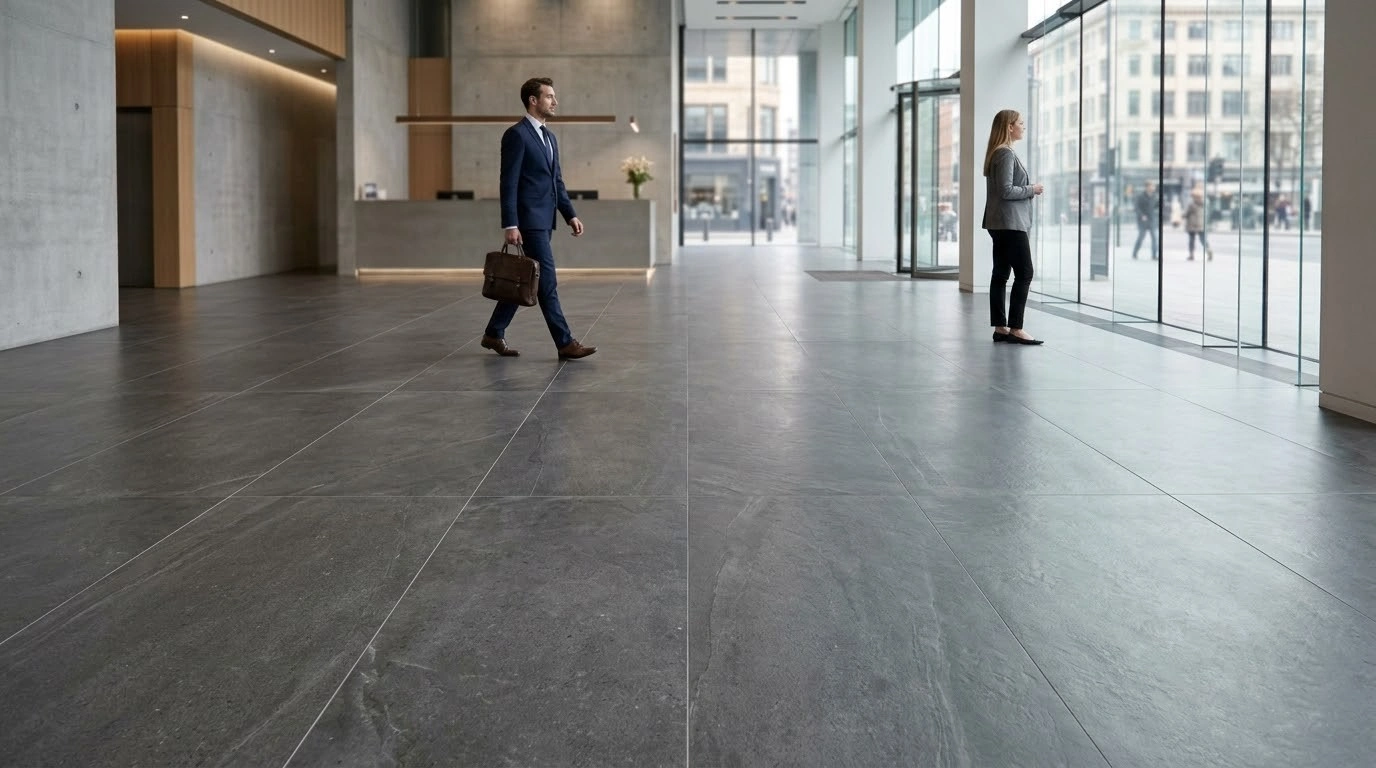


Why Large-Format Tiles are Popular in Commercial Developments

Popular in Commercial Development

Key Takeaways

  • Large-format tiles suit the scale of many contemporary commercial environments.
  • Fewer visible joints can create stronger visual continuity.
  • Larger surfaces can showcase marble, stone, concrete, and other design effects.
  • Large formats can be used across hotels, offices, retail spaces, and mixed-use developments.
  • They can work across both floors and walls when appropriately specified.
  • Installation conditions and project requirements should be evaluated before selection.
  • Large formats are not universally better, the right choice depends on the application.

The popularity of large-format tiles is not based on appearance alone. Their appeal comes from a combination of visual continuity, design flexibility, application versatility, and suitability for contemporary commercial interiors. However, project teams should still consider installation conditions, maintenance requirements, and application-specific needs before selecting a tile format.

What are Large-Format Tiles?

Large-format tiles are tiles produced in dimensions significantly larger than many conventional tile formats. The exact definition can vary by manufacturer and market, so there is no single size that universally defines a large-format tile.

Their larger surface area makes them particularly effective across expansive floors and walls. Instead of creating a highly segmented appearance, they can produce broader visual surfaces with fewer visible joints.

Large-format tiles are commonly considered for:

  • Commercial floors tiles
  • Feature walls tiles
  • Hotel interiors
  • Office spaces
  • Retail environments
  • Large residential and mixed-use developments

They are available in different materials, finishes, colours, and surface designs, allowing architects and designers to select options that complement different architectural styles.

Why are Large-Format Tiles Becoming Popular in Commercial Design?

Modern commercial architecture increasingly favours open layouts, minimal visual clutter, and surfaces that contribute to a cohesive interior concept. Large-format tiles align naturally with these design preferences.

Commercial spaces often contain expansive surfaces where smaller formats can create a more segmented visual effect. Larger formats can help establish a broader surface composition and allow designers to create a more streamlined appearance.

Their popularity is also supported by the flexibility they provide across different design concepts. Depending on the selected surface, large formats can contribute to interiors inspired by:

  • Natural stone
  • Marble
  • Concrete
  • Neutral textures
  • Contemporary architectural finishes

This makes them suitable for projects ranging from corporate interiors to premium hospitality and retail environments.

Fewer Grout Lines Create Greater Visual Continuity

One of the most noticeable advantages of large-format tiles is the potential for fewer visible grout lines. Because each tile covers a larger area, the overall surface can appear more continuous when the layout and installation are properly planned.

This effect can be particularly useful in large commercial interiors where designers want the flooring or wall treatment to support a clean architectural composition.

Why Visual Continuity Matters in Commercial Interiors

Visual continuity can help connect different areas of a development and create a consistent design language. This is especially relevant in spaces such as:

  • Hotel lobbies
  • Corporate reception areas
  • Retail environments
  • Restaurants
  • Large hospitality interiors

A surface with fewer visible joints can allow the tile’s colour, texture, or pattern to become more prominent. However, the final result depends on tile selection, layout, substrate conditions, and installation quality.

Where are Large-Format Tiles Used in Commercial Developments?

The versatility of large-format tiles allows them to be considered across several commercial environments.

Hotels and Hospitality

Hospitality projects frequently use large-format surfaces in visually important areas such as:

  • Lobbies
  • Reception areas
  • Restaurants
  • Guest spaces
  • Feature walls

Large surfaces can complement premium interior concepts and help create a cohesive appearance across high-visibility areas.

Offices and Corporate Spaces

Modern offices often include open-plan layouts, reception zones, meeting rooms, and shared spaces. Large-format floor tiles and wall tiles can support a clean, contemporary design across these environments.

They can be used to create coordinated surfaces while complementing furniture, lighting, and other architectural elements.

Retail and Showrooms

Retail environments rely heavily on visual presentation. Large-format tiles can provide a neutral or sophisticated backdrop that allows products and displays to remain the focus.

They can be used for:

  • Flooring
  • Feature walls
  • Display areas
  • Entrance zones
  • Premium showroom interiors

Mixed-Use and Other Developments

Large-format tiles can also be considered for common areas, commercial entrances, shared spaces, and other environments where broad surfaces contribute to the overall architectural experience.

Design Flexibility Across Floors and Walls

Large-format tiles are not limited to flooring. Their larger dimensions can also be used on walls to create coordinated interior surfaces.

For example, a project may use complementary large-format tiles across:

  • Floors
  • Feature walls
  • Reception areas
  • Vertical surfaces
  • Large open interiors

This approach can help create a consistent architectural language while allowing designers to vary finishes between different zones.

Large-format porcelain tiles are particularly relevant for projects seeking sophisticated surface designs, including stone and marble-inspired appearances. The appropriate material and finish should always be selected according to the intended application.

Large-Format Tiles and Commercial Maintenance

Maintenance is an important consideration for any commercial surface. Large-format tiles can reduce the number of visible grout joints across a given area, which may influence the overall appearance and cleaning considerations.

However, large-format tiles should not automatically be considered easier to maintain in every situation. Maintenance depends on several factors, including:

  • Tile surface
  • Application
  • Installation quality
  • Grout selection
  • Traffic levels
  • Cleaning practices

For high-use commercial environments, project teams should evaluate the complete surface system rather than considering tile size in isolation.

Selecting a suitable surface for the intended environment can help maintain the appearance and functionality of a commercial space over time.

What Should Commercial Projects Consider Before Choosing Large Formats?

Large-format tiles offer several design advantages, but they also require appropriate project planning. Before finalising a specification, commercial teams should evaluate:

  • Project scale and layout
  • Intended application
  • Installation conditions
  • Substrate preparation
  • Handling requirements
  • Installer expertise
  • Design objectives
  • Project schedule

Larger formats can require careful handling, planning, and installation. The project team should therefore confirm that the site conditions and installation resources are appropriate for the selected format.

This is particularly important for large commercial developments where installation decisions can affect multiple areas of the project.

Large-Format Tiles vs Conventional Tile Formats

Neither large-format nor conventional formats are universally better. The choice of tile size depends on the project’s design, application, and technical requirements.

FactorLarge-Format TilesConventional Formats
Visual continuityGenerally higherMore visible joints
Design effectExpansive and contemporaryMore modular
Suitable spacesLarge floors and wallsFlexible across many spaces
Grout visibilityGenerally lowerGenerally higher
Design patternsLarger patterns can be showcasedMore pattern repetition
Installation planningRequires careful planningGenerally more flexible

The comparison should be viewed as a planning guide rather than a ranking. Conventional formats can remain highly suitable for smaller spaces, detailed layouts, and applications where greater format flexibility is required.

How Creanza Supports Large-Format Commercial Design

Creanza offers a broad portfolio of ceramic, vitrified, and porcelain tile solutions for different architectural applications. Its INFINIA+ collection includes large formats of 800x1600mm and 1200x1800mm, designed for expansive and sophisticated spaces.

These formats can support commercial concepts where designers want broad surfaces and a contemporary visual character. They can be considered for hospitality interiors, premium commercial spaces, and other large areas where surface scale contributes to the overall design. As a tiles exporter from India, Creanza also supports international project requirements with a diverse range of surface solutions.

Creanza’s wider product portfolio allows architects, developers, international buyers, and project teams to explore different tile categories, finishes, and design approaches according to their project requirements.

Conclusion

Large-format tiles have become popular in commercial developments because they combine contemporary aesthetics with broad application possibilities. Their ability to create visual continuity, showcase large-scale surface patterns, and complement modern architectural styles makes them suitable for hotels, offices, retail spaces, hospitality projects, and other commercial environments. However, successful selection still requires attention to application, maintenance, installation conditions, and overall project objectives.

Creanza offers large-format solutions through collections such as INFINIA+, including 800x1600mm and 1200x1800mm formats, alongside a wider portfolio of ceramic, vitrified, and porcelain tiles. This range gives architects, developers, designers, and international buyers flexibility when exploring surface solutions for expansive commercial spaces and contemporary architectural concepts.

Frequently Asked Questions

Why are large-format tiles popular in commercial developments?

Large-format tiles are popular because they can create broad, contemporary surfaces with fewer visible grout lines. They also provide a larger canvas for marble, stone, concrete, and other surface designs, making them suitable for modern commercial interiors.

What are the benefits of large-format tiles for commercial spaces?

They can provide visual continuity, support contemporary design concepts, showcase larger surface patterns, and work across expansive floors and walls. Their suitability still depends on the project’s application, installation conditions, surface requirements, and design objectives.

Where can large-format tiles be used in commercial projects?

Large-format tiles can be used in hotels, offices, retail stores, restaurants, showrooms, reception areas, lobbies, and mixed-use developments. They can be considered for both floors and walls depending on the selected product and application requirements.

Are large-format tiles suitable for both floors and walls?

Yes, suitable large-format products can be used across floors and walls. The appropriate tile should be selected according to the application, surface requirements, installation conditions, and project specifications.

Are large-format tiles easier to maintain?

Large formats can reduce the number of visible grout joints, but they are not automatically easier to maintain in every application. Maintenance depends on the tile surface, installation, grout, traffic levels, and cleaning practices.

What large-format tile options does Creanza offer?

Creanza’s INFINIA+ collection includes 800x1600mm and 1200x1800mm large-format tiles. The wider Creanza portfolio also includes ceramic, vitrified, and porcelain tile solutions for different residential and commercial applications.

Share This Article On :

GVT vs PGVT Tiles: Key Differences Every Buyer Should Know

GVT vs PGVT Tiles Key Differences

Key Takeaways

  • GVT and PGVT tiles differ mainly in their surface finish and visual appearance.
  • GVT tiles offer versatile designs for a wide range of residential and commercial applications.
  • PGVT tiles provide a polished, premium finish for luxury interiors and high-end spaces.
  • Project requirements, market preferences, maintenance, and budget should guide tile selection.
  • Both tile types are suitable for international projects when matched with the right application.
  • Creanza helps global buyers choose GVT and PGVT collections that align with project and market needs.

Instead of asking which tile is universally better, buyers should consider factors such as design preferences, intended application, maintenance requirements, and regional market demand. This guide explains the differences between GVT tiles and PGVT tiles, compares their features, and helps international buyers select the right option for different projects.

What are GVT Tiles?

Glazed Vitrified Tiles (GVT) are vitrified tiles finished with a glazed surface that allows manufacturers to create a wide variety of colours, textures, and patterns. They are widely used in residential and commercial projects because they combine durability with design flexibility.

One of the biggest advantages of glazed vitrified tiles is their ability to replicate natural materials such as marble, stone, wood, and concrete while offering easier maintenance than many traditional materials.

Key characteristics of GVT tiles include:

  • Durable vitrified body
  • Smooth glazed surface
  • Wide range of colours and designs
  • Suitable for floor and wall applications
  • Easy to clean and maintain

Their versatility makes them a popular choice for projects requiring both functionality and attractive design, making them an ideal solution for modern home interiors as well as a wide range of commercial spaces. 

What are PGVT Tiles?

Polished Glazed Vitrified Tiles (PGVT) are an advanced version of GVT tiles. After the glazing process, an additional polishing stage creates a glossy surface that enhances the depth, clarity, and richness of the tile design.

The polished finish gives PGVT tiles a premium appearance, making them particularly suitable for interiors where aesthetics are a key priority.

Some of the defining features of polished glazed vitrified tiles include:

  • High-gloss polished finish
  • Enhanced visual appeal
  • Elegant marble-inspired designs
  • Smooth reflective surface
  • Contemporary appearance

Because of their refined finish, PGVT tiles are often chosen for projects where creating a sophisticated atmosphere is an important design objective.

GVT vs PGVT Tiles: Key Differences

Although both products belong to the vitrified tile family, understanding the difference between GVT and PGVT tiles helps buyers select the right option for each project.

FeatureGVT TilesPGVT Tiles
Surface FinishGlazed finishPolished glazed finish
AppearanceSmooth and elegantHigh-gloss and premium
Visual EffectNatural and contemporaryLuxurious and reflective
Design OptionsWide variety of textures and patternsPremium marble and glossy designs
ApplicationsResidential and commercial interiorsLuxury residential and premium commercial spaces
MaintenanceEasy to maintainEasy to maintain with regular cleaning

Rather than choosing one product over the other, buyers should evaluate how each tile supports the design goals and functional requirements of the project.

Which Tile is Better for Residential Projects?

Residential projects require tile solutions that balance aesthetics, practicality, and long-term usability. Both GVT and PGVT tiles can perform well in homes, but their suitability depends on the intended space and overall interior design.

GVT tiles are often preferred for:

  • Living rooms
  • Bedrooms
  • Kitchens
  • Family spaces
  • Everyday residential interiors

Their wide range of finishes allows homeowners to achieve contemporary or natural-looking interiors while maintaining easy upkeep.

PGVT tiles are commonly selected for:

  • Luxury living rooms
  • Premium apartments
  • Feature walls
  • Designer interiors
  • Elegant entrance areas

The polished finish creates a brighter and more premium appearance, making these tiles suitable for spaces where visual impact is a priority.

Instead of selecting tiles based solely on appearance, buyers should evaluate how the chosen finish complements the home’s design style and intended use.

Which Tile Performs Better in Commercial Projects?

Commercial projects often require products that combine attractive design with practical performance. Hotels, offices, retail stores, restaurants, and corporate spaces all have different design objectives, making application an important factor when comparing GVT vs PGVT tiles.

For commercial environments that prioritise versatility and balanced aesthetics, GVT tiles provide flexible design options suitable for a wide range of applications, including large-scale projects where consistency, durability, and design flexibility are essential.

Projects that benefit from GVT tiles include:

  • Office interiors
  • Retail spaces
  • Educational facilities
  • Commercial corridors
  • Business centres

PGVT tiles are often selected for commercial spaces where creating a premium impression is important.

Typical applications include:

  • Hotel lobbies
  • Luxury retail stores
  • Reception areas
  • Executive offices
  • High-end commercial interiors

Rather than viewing one option as universally superior, architects and project developers should select tile finishes based on customer expectations, interior themes, and the overall purpose of the space.

How Creanza Helps Buyers Choose the Right Vitrified Tiles

Choosing the right vitrified tile becomes easier when buyers work with a supplier that understands different project requirements and international market preferences. As one of the glazed vitrified tiles exporters in India, Creanza helps customers identify suitable tile solutions by considering application needs, design expectations, and market trends instead of recommending a one-size-fits-all approach. 

The company offers a broad portfolio of GVT tiles and PGVT tiles suitable for residential, commercial, hospitality, and retail developments. This variety allows buyers to select collections that align with their target market while maintaining flexibility across different projects.

Creanza supports international buyers through:

  • A wide selection of GVT and PGVT collections
  • Guidance based on project requirements
  • Solutions for residential and commercial applications
  • Responsive communication throughout the selection process
  • A customer-focused approach built on long-term partnerships

By understanding evolving design trends and customer expectations, Creanza helps importers, distributors, architects, and project developers choose vitrified tile solutions that meet diverse international requirements.

Conclusion

Choosing the right tile depends on understanding your project requirements, design preferences, and intended application. Whether comparing different tile types, selecting the ideal tile size, or evaluating products for residential and commercial spaces, making informed decisions helps improve project outcomes and customer satisfaction. A thoughtful approach to tile selection ensures both visual appeal and long-term performance.

Partnering with a reliable vitrified tile manufacturing company can simplify the selection process and ensure products meet both design expectations and project requirements. Creanza offers a wide range of ceramic, vitrified, porcelain, GVT, and PGVT tile collections that help international buyers source solutions for diverse global markets. 

Frequently Asked Questions

What is the difference between GVT and PGVT tiles?

GVT tiles have a glazed surface that offers a variety of designs and textures, while PGVT tiles include an additional polished layer that creates a glossy, premium appearance. The choice depends on the project’s design and application requirements.

Are PGVT tiles better than GVT tiles?

Not necessarily. PGVT tiles are preferred for projects that require a luxurious, polished finish, while GVT tiles are suitable for applications where versatile designs and practical performance are the priority.

Which tiles are suitable for commercial projects?

Both GVT and PGVT tiles can be used in commercial projects. GVT tiles work well for offices, retail spaces, and everyday commercial interiors, while PGVT tiles are ideal for hotel lobbies, reception areas, and premium commercial environments.

Which tiles require less maintenance?

Both GVT and PGVT tiles are designed for easy maintenance. Regular cleaning and proper care help preserve their appearance and performance over time.

How do international buyers choose between GVT and PGVT?

Buyers should consider project application, design preferences, regional market demand, maintenance expectations, and budget before selecting the most suitable vitrified tile option.

How does Creanza help buyers select vitrified tiles?

Creanza supports international buyers by offering a broad range of GVT and PGVT collections, providing product guidance based on project requirements, and helping customers choose tile solutions that align with different market needs.

Share This Article On :

How to Select the Right Tile Size for Different International Markets

Tile Size Guide for Global Markets

Key Takeaways

  • Choose tile sizes based on project needs rather than trends alone.
  • Consider room dimensions, application, and installation before selecting a format.
  • Regional design preferences influence tile size demand across international markets.
  • Different residential and commercial projects often require different tile formats.
  • Avoid common sizing mistakes through careful planning and product evaluation.
  • Creanza helps global buyers identify suitable tile formats for diverse market requirements.

As design trends evolve, demand is rising for large-format porcelain tiles and panels, driven by the preference for seamless, modern interiors with fewer grout lines. Understanding how different tile sizes perform across applications helps businesses create product ranges that meet global market expectations. 

Why Tile Size Matters in Global Construction and Design

Tile size plays a significant role in the visual and functional success of any project. While colour, texture, and finish influence appearance, the dimensions of a tile affect how a space looks and feels after installation. For international buyers, choosing tiles from a reliable supplier that maintains export-quality ceramic standards ensures consistency in design, durability, and performance across different markets. 

The right tile size can help:

  • Create a balanced visual appearance
  • Improve the perception of room size
  • Support efficient installation
  • Reduce unnecessary tile cuts
  • Complement modern architectural designs

For international buyers, selecting suitable tile sizes also helps address regional design preferences and project specifications. A product that performs well in one market may not be the preferred choice in another, making market knowledge an important part of product selection.

Instead of choosing tile formats based solely on current trends, buyers should consider how size contributes to functionality, design continuity, and customer expectations.

Understanding Tile Sizes and Their Applications

Choosing the right tile size depends on the application, design requirements, and project type. Creanza offers a wide range of tile formats suitable for residential, commercial, hospitality, and architectural projects.

  • 800×2400 mm & 1200×1800 mm: Ideal for luxury interiors, feature walls, hotels, and large commercial spaces where a seamless look is preferred.
  • 800×1600 mm: Suitable for premium homes, villas, offices, showrooms, and contemporary interiors.
  • 600×1200 mm: A versatile size used for living rooms, bedrooms, kitchens, bathrooms, offices, and retail spaces.
  • 600×600 mm: Popular for residential and commercial flooring due to easy installation and practical maintenance.
  • 200×1200 mm & 195×1200 mm: Designed for wood-look flooring applications, creating a natural plank-style appearance.
  • 300×600 mm, 300×450 mm & 300×300 mm: Commonly used for wall applications, bathrooms, kitchens, and decorative surfaces.
  • 400×400 mm, 298×298 mm & 298×600 mm: Suitable for exterior and specialised outdoor applications.

Selecting the appropriate tile size helps create visually balanced spaces while meeting the functional and design expectations of different international markets

Different Tile Size Requirements for Residential and Commercial Projects

Residential and commercial developments often have different design objectives, which influences tile selection.

Residential Projects

Homes generally focus on comfort, aesthetics, and practicality. Tile sizes are selected to complement room dimensions while creating inviting living spaces.

Common residential applications include:

  • Living rooms
  • Bedrooms
  • Kitchens
  • Bathrooms
  • Balconies

Different areas within the same home may require different tile formats depending on layout, design style, and intended use.

Commercial Projects

Commercial spaces prioritise durability, efficient movement, and a professional appearance. Offices, retail stores, hotels, healthcare facilities, and educational buildings often require tile sizes that suit larger floor areas while supporting a consistent visual finish.

Selecting appropriate porcelain floor tile sizes for commercial environments helps create spacious interiors while simplifying installation across larger surfaces.

By understanding the unique requirements of each project type, buyers can recommend products that balance functionality with design.

Factors to Consider Before Choosing Tile Sizes

Choosing the right tile size involves more than following design trends. Buyers should evaluate how the tiles will be used, the characteristics of the space, and the expectations of the target market before making a decision.

Some practical factors to consider include:

1. Room Dimensions

The size of a room often influences which tile format creates the best visual balance. Larger spaces can accommodate bigger tiles, while smaller rooms may benefit from formats that complement their proportions and layout.

2. Application Area

Different spaces have different functional requirements. Floor areas, wall surfaces, bathrooms, kitchens, and outdoor spaces may each require a different tile size depending on design objectives and installation needs.

3. Installation Pattern

The chosen layout can affect the overall appearance of a project. Tile size should work well with the planned installation pattern to create a clean and consistent finish. Proper planning of tile placement, alignment, and spacing also supports seamless tile installation while enhancing the overall visual appeal of the surface.

4. Grout Lines and Visual Continuity

Larger tiles generally create fewer grout lines, giving surfaces a more seamless appearance. Smaller formats introduce more grout joints, which can add visual detail and support decorative layouts.

5. Maintenance Requirements

Tile size may also influence ongoing maintenance. Selecting the appropriate format for the intended application helps create surfaces that are practical and easy to maintain.

Considering these factors together allows buyers to make informed decisions that balance aesthetics, functionality, and market demand.

How Creanza Helps Global Buyers Find the Right Tile Formats

Selecting the right tile size becomes easier when buyers work with a supplier that understands international market requirements. Creanza supports customers by helping them evaluate project needs, design preferences, and intended applications before recommending suitable tile formats. 

As a trusted partner for businesses looking to export tiles from india, Creanza offers a diverse portfolio of ceramic, vitrified, and porcelain tile collections designed to support residential, commercial, hospitality, and retail developments. Rather than promoting a single solution for every project, the company focuses on providing tile options that match specific requirements and market expectations. 

International buyers benefit from:

  • A wide selection of tile formats for different applications
  • Guidance based on project requirements
  • Solutions that support residential and commercial markets
  • Responsive communication throughout the selection process
  • A customer-focused approach that values long-term relationships

By understanding regional preferences and evolving design trends, Creanza helps buyers build product portfolios that align with customer demand while supporting successful projects across international markets.

Conclusion

Selecting the right tile size is an important decision that influences design, functionality, and customer satisfaction. While there is no single format that suits every market, understanding room dimensions, project requirements, installation considerations, and regional preferences helps buyers make better sourcing decisions.

Creanza supports international buyers by offering a diverse range of tile formats and practical guidance tailored to different applications and markets. This customer-focused approach helps businesses choose tile solutions with confidence while responding to evolving global demand.

Frequently Asked Questions

What is the best tile size for residential projects?

There is no universal tile size for every home. The best choice depends on room dimensions, design preferences, and the intended application. Selecting a format that complements the space creates a balanced and practical result.

Are large-format tiles suitable for every market?

No. While large format tiles are increasingly popular, customer preferences differ across regions. Buyers should evaluate local design trends, project requirements, and end-user expectations before selecting tile sizes.

How do room dimensions affect tile size selection?

Room dimensions influence the visual balance of a space. Choosing tile sizes that suit the layout helps create a more proportionate appearance and supports efficient installation.

What factors should distributors consider when choosing tile sizes?

Distributors should evaluate customer demand, project types, regional design preferences, application areas, and product versatility before selecting tile formats for their portfolio.

How do regional preferences influence tile demand?

Architectural styles, interior design trends, and customer expectations vary across markets. Understanding these preferences helps buyers choose tile sizes that better match local demand.

How does Creanza help buyers choose suitable tile formats?

Creanza works closely with international customers to understand project requirements and market preferences before recommending suitable ceramic, vitrified, and porcelain tile formats for residential and commercial applications.

Share This Article On :